Infrared light therapy, also known as photobiomodulation or low-level light therapy, is a non-invasive and drug-free treatment that uses low levels of light energy to promote healing and reduce pain. This therapy has been used for centuries to treat various medical conditions, from minor injuries to chronic pain, and has gained increasing popularity in recent years.
In this blog, we will explore the benefits and uses of infrared light therapy, how it works, and the different types of devices available for home use.
Benefits of Infrared Light Therapy
Infrared light therapy has numerous benefits for both physical and mental health. Here are some of the most common benefits:
- Pain relief: Infrared light therapy can help reduce pain and inflammation by increasing blood flow and promoting the release of endorphins, the body's natural painkillers.
- Improved circulation: The therapy helps increase blood flow to the targeted area, which can help reduce inflammation and promote healing.
- Improved skin health: Infrared light therapy can help reduce wrinkles, fine lines, and other signs of aging by promoting collagen production and reducing inflammation.
- Reduced anxiety and depression: The therapy has been shown to have a calming effect on the nervous system, which can help reduce symptoms of anxiety and depression.
- Faster wound healing: Infrared light therapy can help speed up the healing process by promoting cell growth and reducing inflammation.
How Infrared Light Therapy Works
Infrared light therapy works by delivering light energy to the cells and tissues in the body. This energy is absorbed by the cells, which triggers a series of reactions that can help promote healing and reduce pain.
Infrared light therapy uses light in the 600-1000 nm wavelength range, which is not visible to the human eye. This range of light penetrates deeper into the tissues than visible light, allowing it to reach the cells and tissues that need healing.
When the light energy is absorbed by the cells, it stimulates the production of ATP, the molecule that provides energy to the cells. This increase in energy production can help the cells function more efficiently, promoting healing and reducing pain and inflammation.
Types of Infrared Light Therapy Devices
There are several types of infrared light therapy devices available for home use. Here are some of the most common types:
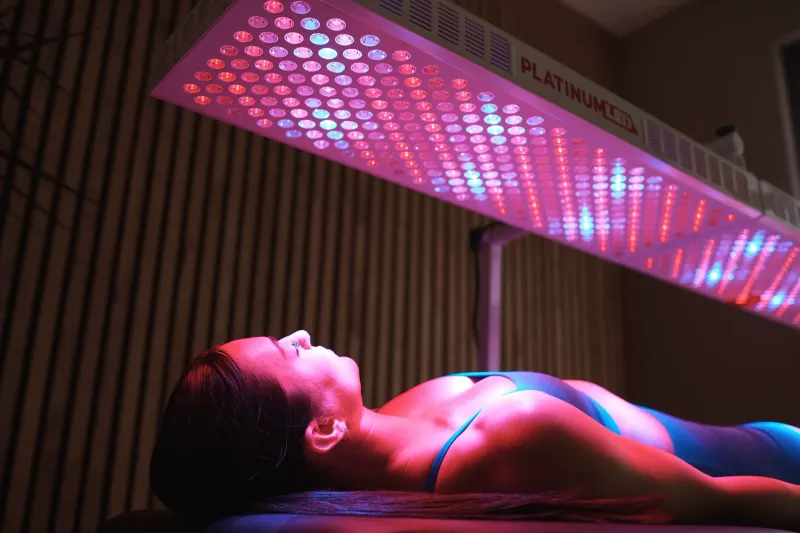
- Infrared lamps: Infrared lamps emit light in the infrared range and can be used to treat specific areas of the body. They are often used to treat muscle pain, joint pain, and other types of localized pain.
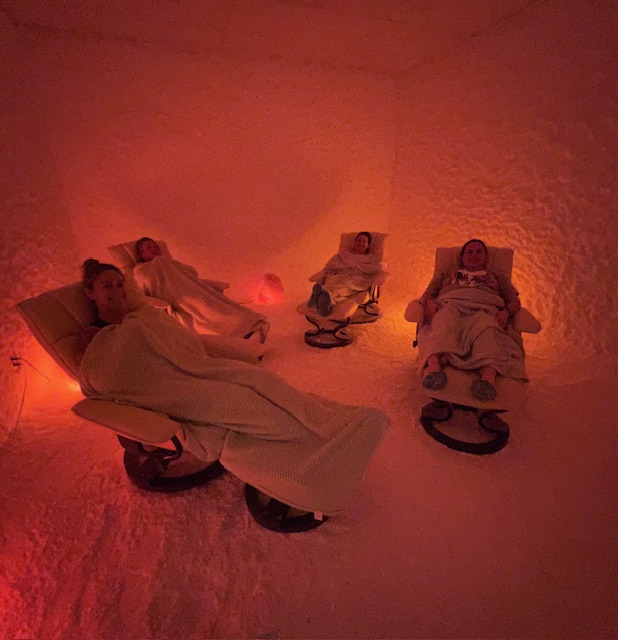
- Infrared saunas: Infrared saunas use infrared lamps to heat the body and promote sweating. They are often used for detoxification and relaxation.
- Handheld devices: Handheld devices are small and portable, making them easy to use at home or on-the-go. They are often used to treat muscle pain, joint pain, and other types of localized pain.
- Light therapy pads: Light therapy pads are flexible pads that can be placed on different areas of the body. They often come with different colored lights for different purposes, such as red light for pain relief and blue light for acne treatment.
Tips for Using Infrared Light Therapy at Home
If you're interested in using infrared light therapy at home, here are some tips to help you get started:
- Choose the right device: There are many different types of infrared light therapy devices available, so it's important to choose the right one for your needs. Consider the type of pain or condition you're treating, as well as your budget and lifestyle.
- Follow the instructions: Be sure to read the instructions carefully before using your infrared light therapy device. Follow the recommended treatment time and frequency, and don't exceed the recommended dose.
- Protect your eyes: Infrared light can be harmful to the eyes, so it's important to protect them during treatment. Some devices come with protective eyewear, but if not, you can use a towel or eye mask to cover your eyes.
- Be patient: Infrared light therapy is not a quick fix, and it may take several treatments before you start to see results. Be patient and consistent with your treatment, and give your body time to heal.
- Consult with a healthcare professional: If you have a medical condition or are taking medication, it's important to consult with a healthcare professional before using infrared light therapy. They can help you determine if it's safe and effective for your specific needs.
Conclusion
Infrared light therapy is a safe and effective way to promote healing and reduce pain without the use of drugs or invasive procedures. With the different types of devices available for home use, it's easy to incorporate this therapy into your daily routine. If you're interested in trying infrared light therapy, be sure to choose the right device, follow the instructions carefully, protect your eyes, be patient, and consult with a healthcare professional if necessary.